Katup Solenoid Injeksi Bahan Bakar yang Dienkapsulasi Pertambangan
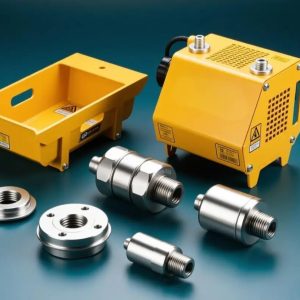
The Mining Encapsulated Fuel Injection Solenoid Valve is a specialized hydraulic/fuel control component designed for explosive gas environments (such as methane and coal dust) in coal mines, metal, and non-metal mines. It is primarily used to control the fuel injection system of explosion-proof diesel engines, serving as a key safety component for achieving precise fuel injection, ensuring efficient combustion, and guaranteeing reliable engine operation.
Application Scenarios
Explosion-Proof Diesel-Powered Equipment: Primarily used in mining explosion-proof diesel locomotives (e.g., rubber-tired vehicles, roof support transporters), explosion-proof diesel generators, and explosion-proof diesel pump stations.
Engine Fuel System: Acts as a core actuator in electronic unit pump or high-pressure common rail systems, receiving commands from the ECU (Engine Control Unit) to precisely control injection timing and fuel quantity.
Harsh Environments: Must be used on diesel engine equipment certified with explosion-proof types such as Ex d [ib] Mb or Ex d [ib] I Mb, operating in underground coal mines (methane explosive atmospheres) or similar hazardous locations.
Technical Features
Intrinsic Safety and Flameproof Combination:
Encapsulation Technology: The valve’s coil, terminals, and other components that may generate sparks or high temperatures are completely encapsulated and sealed with a special epoxy resin compound. This prevents contact between internal electrical parts and explosive gases, eliminating ignition risks from sparks or heat.
Structural Explosion-Proof: The valve body itself is typically constructed from robust metal, capable of withstanding internal fuel combustion pressure to prevent explosion propagation to the external environment.
High-Performance Electromagnetic Drive: Utilizes an electromagnetic design with fast response and low power consumption, ensuring high precision and rapid response for fuel injection control to meet the stringent requirements of modern electronic diesel engines for injection timing and metering.
Durable Mechanical & Hydraulic Design: The valve core and seat are made of high-strength, wear-resistant, and corrosion-resistant materials (e.g., hard alloy) to withstand high fuel pressure (up to 2000 bar or more) and frequent operation impact. Precision-matched parts ensure good sealing and low leakage.
Environmental Adaptability: Features excellent oil resistance, temperature tolerance, moisture resistance, and vibration resistance, suitable for the harsh underground conditions of humidity, dust, and significant vibration.
Product Advantages
Exceptional Safety: Dual protection through encapsulation and flameproof design fully complies with mine safety regulations and national explosion-proof standards (GB3836 series), forming the foundation for safe operation of underground explosion-proof equipment.
High Reliability & Long Service Life: Precision manufacturing and durable materials ensure long-term stable operation in harsh environments, resulting in low failure rates and a long Mean Time Between Failures (MTBF).
Improved Engine Performance: Precise fuel control contributes to more complete combustion, thereby increasing power output, reducing fuel consumption, and decreasing black smoke and harmful emissions to meet environmental requirements.
Ease of Maintenance: Modular design allows for replacement as a complete unit, simplifying underground maintenance tasks.
Daily Use Guidelines
Pre-Installation Inspection:
Verify that the new solenoid valve’s model and specifications exactly match the original equipment.
Inspect the valve for any physical damage from transportation and ensure the electrical connector is intact.
Clean the installation port with clean diesel fuel to ensure it is free of contaminants.
Installation Procedure:
Removing the Old Valve: Disconnect the battery negative terminal. Unplug the electrical connector, and use the appropriate tool to unscrew the old solenoid valve. Immediately cover the fuel line port and installation hole with protective caps to prevent dirt ingress.
Installing the New Valve: Remove the protective caps. Apply a small amount of clean engine oil to the new valve’s sealing ring or sealing cone surface. Hand-thread the valve into the installation hole, ensuring proper thread alignment, and finally tighten it with a torque wrench to the manufacturer’s specified torque (never overtighten).
Electrical Connection: Securely reconnect the electrical plug.
Post-Installation Checks:
Reconnect the battery. Before starting the engine, perform a fuel system priming operation (e.g., operate the manual priming pump, loosen the bleed screw until bubble-free fuel flows out).
Start the engine and check for leaks at the solenoid valve connection and throughout the fuel lines.
Observe if the engine runs smoothly and listen for regular operational sounds from the solenoid valve.
★ Explosion-Proof Safety is Paramount ★
Safety First, Compliant Use:Absolutely prohibit use on non-explosion-proof equipment or in non-hazardous environments. The equipment’s explosion-proof marking must match the hazard classification of the operating environment. Do not arbitrarily modify, disassemble the encapsulated portion, or compromise the explosion-proof structure of the valve.
Fuel Quality and Cleanliness Management:Must use clean fuel of the grade specified for the equipment. Poor fuel quality or the presence of contaminants/water is a primary cause of valve sticking, wear, and coil failure. During maintenance, ensure tools, hands, and the work area are extremely clean to prevent any contaminants from entering the fuel system.
Correct Installation and Maintenance:Must use a torque wrench for installation according to the standard torque specification. Insufficient torque can cause leaks; excessive torque can damage the valve body or threads. Periodically inspect the electrical connection for secure attachment, corrosion, or damage.
Fault Diagnosis and Handling: If the engine experiences issues like power loss, black smoke, or hard starting, after checking the fuel lines and filters, consider whether the solenoid valve is functioning correctly. Diagnosis can involve measuring coil resistance, listening for operational sounds, or using professional diagnostic equipment. Once a solenoid valve fault is confirmed, complete replacement is typically recommended over repair, as restoring the encapsulation and precision components requires specialized conditions and equipment. Disassembly by unqualified personnel will compromise its explosion-proof integrity.
Storage and Handling: Spare parts should be stored in a dry, clean environment free of corrosive gases. For long-term storage, keep the original packaging intact.
In recent years, with the continuous increase in national safety requirements for mine production, a series of policies and regulations have been intensively introduced, bringing profound impacts to the entire industry. The mining explosion-proof...
Jauh di dalam tambang, kendaraan tahan ledakan tambang yang mengalami kemudi berat secara tiba-tiba tidak hanya mengancam efisiensi operasional, tetapi juga berisiko langsung terhadap keselamatan bawah tanah. Sebagai "pusat komando" kendaraan, fungsi yang tepat dari sistem kemudi ...
Jauh di dalam tambang, kendaraan tahan ledakan tambang merupakan jalur transportasi, dan daya tanggap serta keandalan sistem kemudinya terkait langsung dengan keselamatan berkendara dan efisiensi kerja. Satu kesalahan dapat menyebabkan kecelakaan...
Pasar Aksesori Kendaraan Tahan Ledakan Tambang: Status Saat Ini dan Peluang di Masa Depan Kendaraan tahan ledakan tambang merupakan peralatan penting untuk produksi yang aman di tambang, dan permintaan pasar untuk aksesorinya terkait erat dengan...
Situs web ini menggunakan cookie untuk meningkatkan pengalaman menjelajah Anda. Dengan terus menggunakan situs ini, Anda menerima penggunaan cookie kami. Data yang dikumpulkan dari situs web ini diproses dan disimpan di Amerika Serikat.
 Aksesori tahan ledakan DaJin


您好!请登录