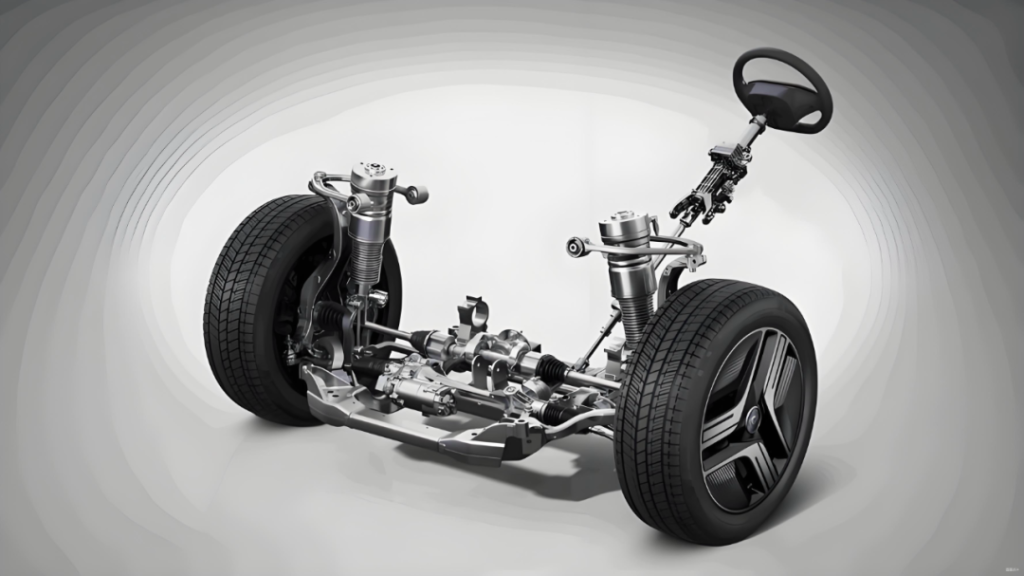
Deep within a mine, a mining explosion-proof vehicle experiencing sudden heavy steering poses not just a threat to operational efficiency, but a direct risk to underground safety. As the vehicle’s “command center,” the proper functioning of the steering system is critical. This guide details common steering system faults and their diagnostic methods.
Common Steering System Faults
Heavy Steering: Difficulty turning the steering wheel, requiring excessive force. This is typically caused by a worn steering pump, insufficient hydraulic fluid, or fluid contamination. The harsh underground environment leads to prolonged high-load operation, often resulting in premature pump wear.
Steering Noise: A “humming” or “creaking” sound when turning the wheel. This noise often originates from the steering pump or cylinder and may indicate air ingress, fluid foaming, or damaged bearings or seals within the accessories.
Unstable Steering (Wandering): The vehicle drifts or is difficult to keep in a straight line. This is frequently related to wear in the steering linkage or internal leakage in the steering cylinder, necessitating a full inspection of the steering transmission assembly.
Excessive Free Play: A noticeably increased steering wheel rotation before the wheels respond. This usually indicates a fault within the steering gear itself or excessive clearance in the transmission components.
Systematic Troubleshooting Methodology
Step 1: Hydraulic System Inspection Begin by checking the level and condition of the power steering fluid. Low or contaminated fluid can directly cause steering failure. Next, verify that the steering pump’s output pressure meets specifications, which is a quick indicator of pump performance degradation. Also, inspect the condition of the filter, as a contaminated element can restrict fluid flow.
Step 2: Mechanical Components Inspection Focus on the steering linkage. Inspect key components such as the steering drop arm and tie rods for wear. Any looseness or excessive wear will affect steering precision. Concurrently, check the steering cylinder for internal leakage. A simple method is to run the engine at idle, turn the steering wheel to its limit and hold it, observing if the system pressure drops rapidly.
Step 3: System Adjustment and Bleeding After component inspection, perform system adjustments. This involves bleeding air from the system, adjusting the steering gear to the proper mesh clearance, and ensuring the steering wheel’s free play is within the standard specified range.
Maintenance Strategy and Preventive Measures Implementing the correct strategy is crucial when addressing steering system faults.
Precise Replacement of Faulty Parts: Once the fault is identified, replace the component with high-quality, reliable accessories. Given the harsh underground conditions, the durability and reliability of these parts are paramount.
Regular Maintenance Regime: Establish a strict scheduled maintenance plan. This includes the regular replacement of hydraulic fluid and filters, along with inspections of the tightness and wear of all steering system connections.
Operator Training: Train drivers to avoid holding the steering wheel at its mechanical limit for extended periods, as this accelerates seal aging. A pre-start check of the steering system should also be standard practice.
Strategic Spare Parts Inventory: Mining operations should maintain a reasonable stock of critical accessories, such as steering pumps and steering cylinder seal kits, to ensure prompt replacement during failures and minimize downtime losses.
The steering system is the lifeline of a mining explosion-proof vehicle, integral to its safe operation. Through scientific fault diagnosis and timely maintenance, not only can equipment life be extended, but the safety and efficiency of underground operations can be ensured. Remember, prevention is superior to repair; regular maintenance is far more economical and safer than responding to failures.
Q: What does an explosion-proof gas detector consist of? A: An explosion-proof gas detector primarily consists of the following core components: Explosion-Proof Enclosure: The core protective structure, typically designed as flameproof (Ex d)...
Q: How to Select an Explosion-Proof High-Temperature Oil Temperature Control Unit? A: The selection of an explosion-proof high-temperature oil temperature control unit must adhere to the following core principles: Select high-temperatu...
A: How to Select an Explosion-Proof Infrared Camera: Key Criteria Follow these essential points when selecting an explosion-proof infrared camera: Illumination Distance: Choose a product with a rated distance 20%-30% greater than your a...
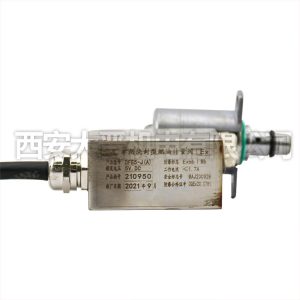
Mining Encapsulated Fuel Injection Solenoid Valve The Mining Encapsulated Fuel Injection Solenoid Valve is a specialized hydraulic/fuel control component designed for explosive gas environments (such as methane and coal dust) in coal mines, m...
This website uses cookies to improve your browsing experience. By continuing to use this site, you accept the use of our cookies. Data collected from this website is processed and stored in the United States.
 DaJin Explosion-proof accessories


您好!请登录